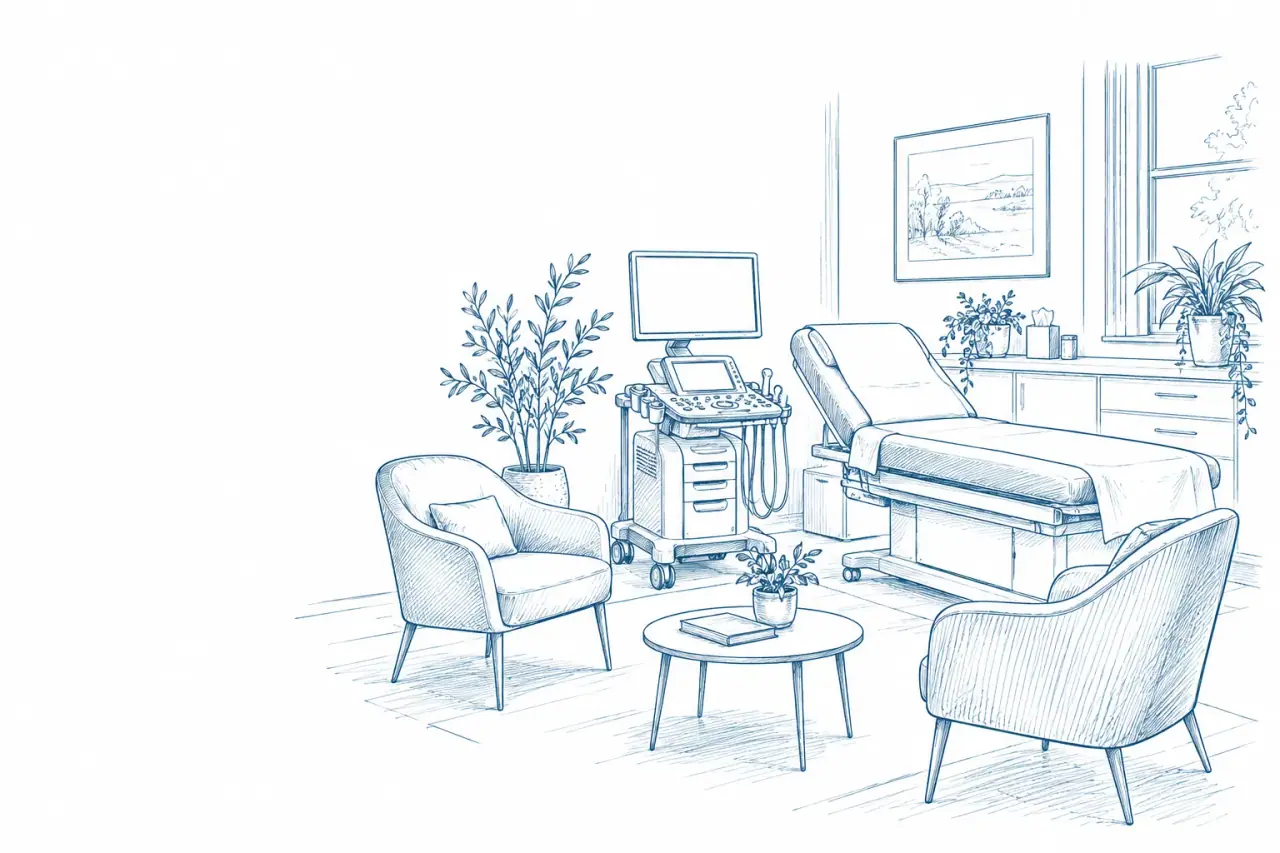
AI medical interpreter for obstetrics and gynecology
Opalite gives obstetric and gynecology teams real-time interpretation in 150+ languages and dialects from the first prenatal visit to the postpartum nurse line.
Today's challenge
What gets in the way of interpretation in obstetrics and gynecology today
Typing through the first prenatal visit
The midwife types the obstetric history into the chart instead of watching the patient answer.
Night triage after the interpreter's shift
The staff interpreter's day shift misses a 2 a.m. triage visit for bleeding in pregnancy.
Dari and Maay Somali on hold
A Dari or Maay Somali speaker calling the postpartum nurse line waits on hold before describing her swollen legs.
Cost of inaction
Language interpretation remains a gap in obstetrics and gynecology
2x the risk
of maternal obstetric trauma applied to non-English-speaking mothers in non-instrumented vaginal deliveries in Hawaii in 2012.
Source: Maternal language and adverse birth outcomes in a statewide analysis
Meet Opalite.
Real-time AI medical interpretation in 150+ languages and dialects, connecting providers and patients in seconds.
- Works on the devices care teams already carry: phones, tablets, computers, and telehealth platforms
- Integrates with all EHRs
- Built for HIPAA-compliant healthcare
- SOC 2 Type II attested security controls
Workflow
How Opalite fits prenatal, labor and postpartum care
Triage and labor
Symptom checks, consent, rapid bedside updates
In-room interpretation on devices the unit already has, with no hardware to buy
Postpartum discharge
Warning signs, medications, follow-up
Teach-back interpreted both ways, with documentation drafted for clinician review.
After discharge
Nurse-line calls, blood-pressure checks, reminders
Phone interpretation on any line, including landlines
Clinical use cases
Interpret the conversations that matter most
Postpartum warning signs
EnglishCall us right away if you have a headache that won't go away, even with medicine.
SpanishLlámenos de inmediato si tiene un dolor de cabeza que no se le quita, aunque tome medicina.
Home blood-pressure numbers
EnglishIf your reading is 140 over 90 or higher, call the nurse line right away.
Chinese (Mandarin)如果量出来高压140、低压90或者更高,请马上打护士热线。
Labor-floor instructions
EnglishDon't push yet. Breathe through this contraction, and we'll tell you when to push.
Arabicلا تدفعي الآن. تنفسي خلال هذا الانقباض، وسنخبرك متى تدفعين.
Contraception and options counseling
SpanishQuiero el implante, pero prefiero decidirlo yo sola.
EnglishI want the implant, but I'd like to decide this on my own.
Perinatal mood screening
EnglishIn the past two weeks, have you had thoughts of harming yourself?
Chinese (Mandarin)在过去两周里,您有没有过伤害自己的念头?
Pricing
Pricing for OB-GYN services
Prenatal to postpartum, one rate. A flat rate scoped to your clinics, labor unit or overall usage covers prenatal visits, triage and nurse-line calls with no per-minute meter.
In your area
25.5 million people in the U.S. speak English less than “very well.”
How many live near you? Search your state, ZIP code, or town.
Darker states have a higher share of residents who speak English less than very well; shading is logarithmic, relative to the highest-share state.
| State | Share | People |
|---|---|---|
| California | 17.2% | 6,377,000 |
| Texas | 13.1% | 3,532,000 |
| New York | 13.1% | 2,486,000 |
| New Jersey | 12.2% | 1,060,000 |
| Florida | 11.8% | 2,389,000 |
| Hawaii | 11.2% | 152,900 |
| Nevada | 11.1% | 320,200 |
| Massachusetts | 9.5% | 631,900 |
| New Mexico | 8.7% | 172,700 |
| Illinois | 8.5% | 1,027,000 |
| Connecticut | 8.4% | 288,200 |
| Rhode Island | 8.4% | 87,250 |
| Arizona | 8.1% | 542,400 |
| Washington | 7.6% | 547,600 |
| Maryland | 7.1% | 411,700 |
| Virginia | 5.8% | 469,000 |
| Colorado | 5.5% | 295,600 |
| Georgia | 5.4% | 541,600 |
| District of Columbia | 5.4% | 34,600 |
| Oregon | 5.4% | 214,100 |
| Nebraska | 5.1% | 93,560 |
| Delaware | 4.9% | 45,460 |
| Utah | 4.7% | 140,000 |
| Kansas | 4.5% | 124,100 |
| Minnesota | 4.5% | 239,600 |
| North Carolina | 4.5% | 439,200 |
| Pennsylvania | 4.4% | 544,000 |
| Alaska | 4.3% | 29,650 |
| Oklahoma | 3.8% | 142,200 |
| Idaho | 3.7% | 62,850 |
| Iowa | 3.4% | 100,800 |
| Michigan | 3.4% | 318,900 |
| Arkansas | 3.2% | 90,380 |
| Indiana | 3.2% | 200,900 |
| Tennessee | 3.1% | 197,500 |
| Wisconsin | 3.0% | 164,200 |
| Louisiana | 2.8% | 123,500 |
| South Carolina | 2.8% | 132,700 |
| Ohio | 2.5% | 281,500 |
| Kentucky | 2.4% | 101,800 |
| New Hampshire | 2.4% | 31,410 |
| Missouri | 2.1% | 123,000 |
| Alabama | 2.1% | 98,720 |
| South Dakota | 1.9% | 15,800 |
| North Dakota | 1.9% | 13,810 |
| Wyoming | 1.8% | 9,923 |
| Mississippi | 1.6% | 44,870 |
| Maine | 1.4% | 18,140 |
| Vermont | 1.3% | 7,705 |
| Montana | 0.8% | 7,731 |
| West Virginia | 0.6% | 11,060 |
Source: U.S. Census Bureau ACS (states 2017-2021; metros 2024 or 2020-2024). Limited English: residents 5+ who speak English less than “very well.”
FAQ
Frequently asked questions
Explore
Where obstetrics and gynecology is practiced
Related
See Opalite in obstetrics and gynecology.
Run a postpartum warning-sign call or a prenatal visit in your patients' languages.